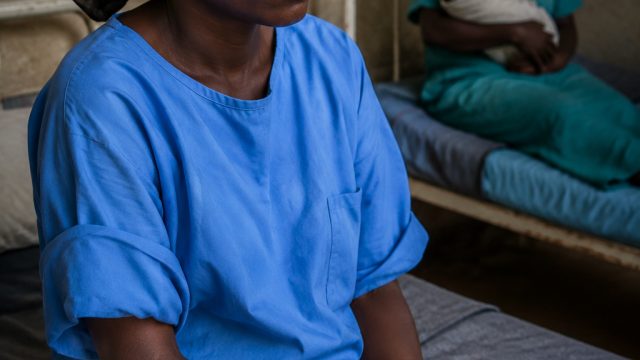
Understanding Obstetric Fistulas: A Global Health Crisis
Obstetric fistulas are a devastating condition affecting thousands of women worldwide, primarily in regions with inadequate maternal healthcare. These injuries often occur during prolonged or obstructed labor, where the lack of timely medical intervention results in severe physical and emotional trauma. As we continue to witness healthcare disparities globally, it's vital to shed light on this critical issue and mobilize efforts for solutions.
The Causes of Obstetric Fistulas
Obstetric fistulas occur due to a combination of prolonged labor, inadequate access to healthcare facilities, and often, the socio-economic conditions that limit women's ability to seek necessary medical assistance. The following factors contribute significantly to the prevalence of fistulas:
- Prolonged Labor: Often seen in first-time mothers or in cases where the baby is not positioned correctly, leading to severe complications.
- Lack of Medical Care: Many women in low-resource settings do not receive skilled healthcare during childbirth, increasing the risk of complications.
- Poverty and Education: Limited education can result in a lack of awareness about maternal health rights and available resources.
The Impact of Fistulas on Women's Lives
The consequences of obstetric fistulas extend beyond physical health issues, significantly affecting women's emotional well-being and social status. Women affected by this condition often experience:
Physical Health Challenges
Fistulas can lead to chronic physical ailments, including:
- Infections
- Kidney problems
- Persistent pain
Emotional and Psychological Effects
Many women suffer from depression and anxiety due to shame and social stigma associated with the condition. This emotional burden can lead to:
- Isolation from family and friends
- Loss of livelihood as women may be unable to work
- Increased risk of domestic violence
Raising Awareness and Seeking Solutions
Addressing the issue of obstetric fistulas requires a multifaceted approach, including:
Improving Access to Healthcare
Investing in healthcare infrastructure and training for healthcare providers is crucial. This ensures that women have access to skilled care during childbirth, which can significantly reduce the incidence of fistulas.
Educational Initiatives
Community outreach and education play a vital role in raising awareness about obstetric fistulas. It's essential to inform women about their rights and the importance of seeking medical help during pregnancy and childbirth.
Support Services for Affected Women
Providing psychological and emotional support is critical to helping women recover. Programs that offer reconstructive surgery and rehabilitation can restore dignity and improve quality of life.
Conclusion: A Call to Action
Obstetric fistulas are a profound health issue that affects countless women, emphasizing the urgent need for global efforts to improve maternal health care. By focusing on accessibility, education, and support, we can work towards eliminating this preventable condition and restoring hope and dignity to those affected. It is time for healthcare systems to prioritize maternal health and for communities to join in advocacy for change. Together, we can make a difference.